Guide 05 Independent notes
Lucha libre history
Lucha libre is Mexico's own form of professional wrestling, with its own heroes, its own rules about masks and a style that has travelled the world. A general history in plain terms.
Where lucha libre comes from
The words mean free fight, and the tradition grew in the early twentieth century as organised wrestling shows spread through Mexican cities. The first major company, now known as CMLL, was founded in 1933 under an earlier name, and Mexico City became the centre of the scene, with large arenas such as Arena México, which opened in 1956.
From the beginning, lucha libre developed in its own direction. Faster pacing, acrobatic moves and a close link with local popular culture set it apart from what promoters were doing elsewhere in North America.
The mask as identity
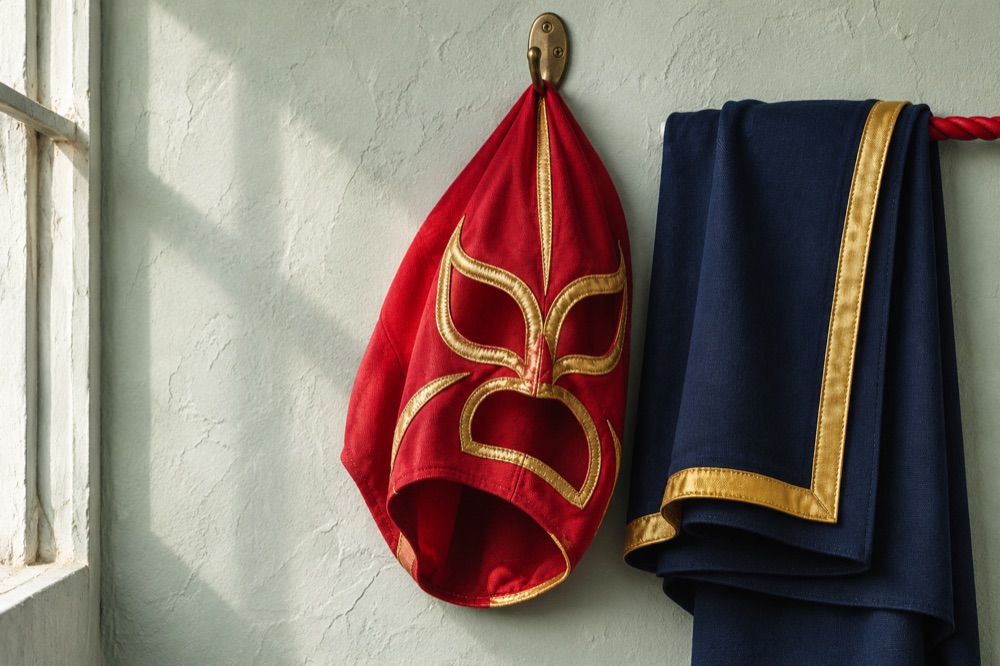
The mask is the best known symbol of lucha libre. Many luchadores keep the face behind the mask private, and a character's mask design is part of how fans recognise and remember them. Masks often draw on animals, myths, history and colour.
In traditional storytelling, the highest stake is the mask itself. In a mask match, or a match with bets, the loser may be asked to unmask and sometimes to reveal a real name. For fans, these rare matches are among the most dramatic nights of a career. The tradition makes the mask something like a promise, which is why a performer does not casually take it off.
Trios, rudos and técnicos
Lucha libre is known for tag matches with three performers on each side, called trios, usually decided by best of three falls. Heroes are called técnicos and villains are called rudos, in the same way that other traditions say face and heel. The terms are explained alongside others in our glossary of wrestling terms.
Teams often have a distinctive look and a shared identity, and families of performers can span several generations, a point of pride within the tradition.
The high-flying style
Lucha libre is associated with fast sequences, flips from the top rope and dives to the floor outside the ring. This aerial style is often called lucha voladora, and many performers from other countries have borrowed it and added it to their own style. The page about wrestling styles compares it with other approaches.
Lucha libre beyond Mexico
Lucha libre travelled north to Mexican-American communities in the United States, where Spanish-language media and local promotions kept it alive, and abroad through touring performers and television. Mexican wrestlers have worked in Japan, the United States and Europe, and masks have become a recognisable image of wrestling worldwide.
If you visit Mexico City, a show in a major arena is a popular outing for locals and travellers, and many independent promotions run smaller events in towns across the country. As with any show, check the schedule and the venue rules first, and see our overview of professional wrestling history for the wider picture.