Guide 06 Independent notes
Pro wrestling in Canada
Wrestling has been part of Canadian entertainment for a long time, from touring shows in arenas to small-town independent cards. A general overview that sticks to what is well established.
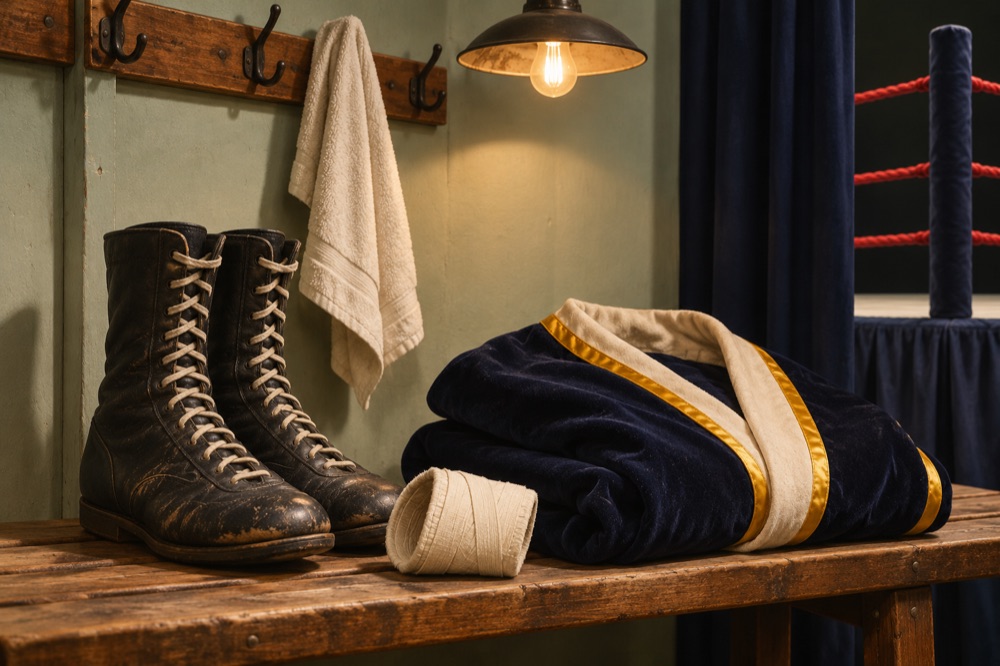
Early wrestling on Canadian stages
Professional wrestling came to Canada in the same way it came to the United States, through touring athletes, fairs and theatres, and then through arenas. Many Canadian cities hosted regular cards, often in the same large buildings that housed ice hockey, and the sport developed loyal local audiences from coast to coast.
The country also has a strong tradition of amateur wrestling, practised in schools and clubs and at national and Olympic level. That is a separate sport, though the two worlds share roots and some vocabulary. The page about wrestling styles explains the difference.
Regional promotions and travelling talent
Canada followed the regional pattern described in our guide to the territory era. Promoters in several regions ran weekly television and regular live shows, and wrestlers moved between Canadian and American circuits across the border. French-language wrestling found a loyal audience in Quebec, and other provinces had their own regional favourites.
Because of this border crossing, Canadian performers became familiar faces in many American territories, and the Canadian scene in turn welcomed visitors from elsewhere.
Stampede Wrestling in general terms
One of the best known Canadian names is Stampede Wrestling, a promotion based in Calgary, Alberta, with roots in the territory era. It ran regular shows and television in Alberta and neighbouring areas for years and is often cited as a place where performers developed their skills before moving on to larger stages. It has returned after pauses and continues to be part of the wrestling conversation.
We do not go into individual careers or match records here, because this site is about the history and structure of the business and sticks to verified general facts.
Today's Canadian independent scene
Today independent promotions run shows in cities and small towns across the country, usually in community centres, arenas, legions, bars and hockey rinks. Many have their own training schools, and some record their events for streaming. Schedules shift with the seasons, since winter weather and hockey calendars affect venue availability.
To go to a show, follow the steps in our guide to attending an independent wrestling show, and bring a warm coat in winter. For the larger story, start from the home page.